


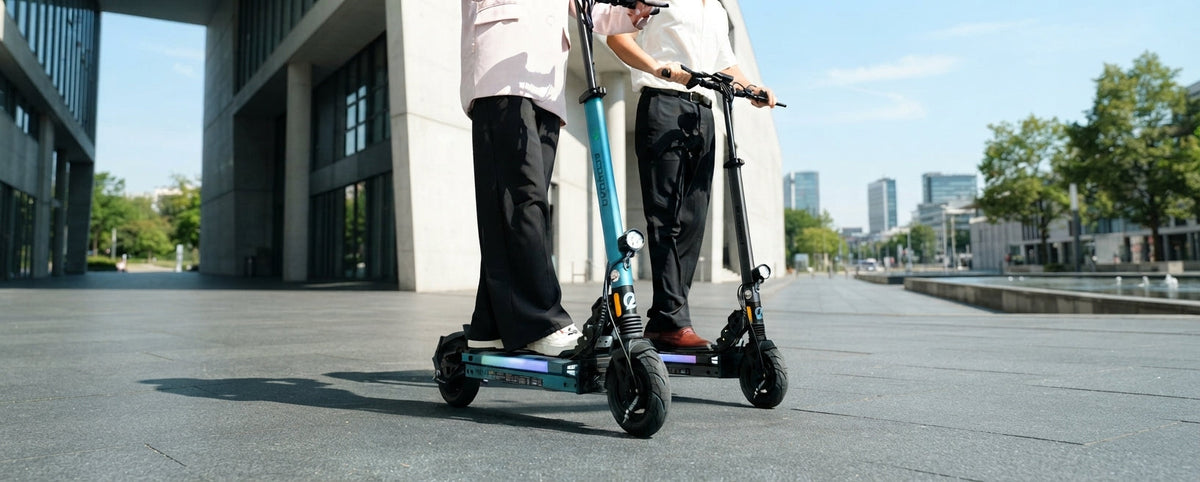
Two Different Things: Range Per Charge and Battery Lifespan
Improving your electric scooter's battery life actually means two separate things: getting more distance out of each individual charge, and making the battery itself last longer before it degrades. The good news is that many of the same habits help with both. Riding efficiently, charging properly, and storing the scooter correctly all contribute to a battery that performs well today and still performs well a year or two from now. This article breaks down the practical habits that make a genuine difference, separated into what helps per ride and what protects the battery long term.
Getting More Distance Per Charge
Ride in a Lower or ECO Speed Mode
Most scooters, including models with multiple gears, let you choose a lower or ECO setting that trades top speed for efficiency. Riding at full throttle constantly draws noticeably more power than a steady, moderate pace, so switching to a lower mode when maximum speed isn't necessary is one of the simplest ways to stretch your range.
Accelerate Smoothly, Not Aggressively
Repeatedly pushing the throttle hard from a standstill uses considerably more energy than building up speed gradually. Smooth, consistent acceleration is more efficient and also tends to feel more comfortable to ride, so it's a habit worth building regardless of which scooter you're on.
Keep Tires Properly Inflated
Underinflated tires increase rolling resistance, forcing the motor to work harder to maintain the same speed. Checking tire pressure regularly is a small habit that genuinely affects how far you get on a single charge, particularly on scooters with pneumatic tires.
Avoid Unnecessary Climbing
Climbing draws significantly more power than flat riding, so if you have a choice between routes, a flatter path will preserve more range than one with repeated inclines, especially over a longer session.
Protecting the Battery's Long-Term Lifespan
Avoid Letting the Battery Sit at Very Low Charge
Lithium batteries, used in virtually all electric scooters, degrade faster when regularly left at very low charge for extended periods. It's worth charging before the battery drops too low rather than consistently running it down to empty before plugging in.
Don't Leave It on Charge Indefinitely
Similarly, leaving a scooter plugged in well beyond a full charge, repeatedly, can also contribute to gradual battery wear over time. Unplugging once charging completes, rather than leaving it connected for days, is a simple habit that protects long-term capacity.
Store at a Partial Charge for Long Breaks
If you're not planning to use your scooter for an extended period, weeks rather than days, storing the battery at around 40–60% charge rather than fully charged or fully empty generally helps preserve its capacity better over that time.
Keep It Away From Extreme Temperatures
Both very hot and very cold conditions affect battery health, cold temperatures reduce usable charge temporarily, while heat can accelerate longer-term degradation. Storing your scooter somewhere moderate, rather than a hot garage in summer or an unheated shed in winter, helps protect the battery over time.
How Different Models Handle Range and Efficiency
Range naturally varies by model and battery size. The EC10 Electric Scooter offers up to 35 miles per charge, a solid figure for everyday riding, while the ET8 Off-Road Electric Scooter offers extended range built for longer off-road sessions on a larger battery. The ES6 Dual Electric Scooter, with its two motors, delivers strong range considering the extra power draw of running dual motors. Regardless of which model you ride, the habits above apply equally, they simply shift the baseline range you're working from. Our guide on choosing the right electric scooter for your lifestyle covers how range needs vary by rider, which is worth factoring in alongside these battery habits.
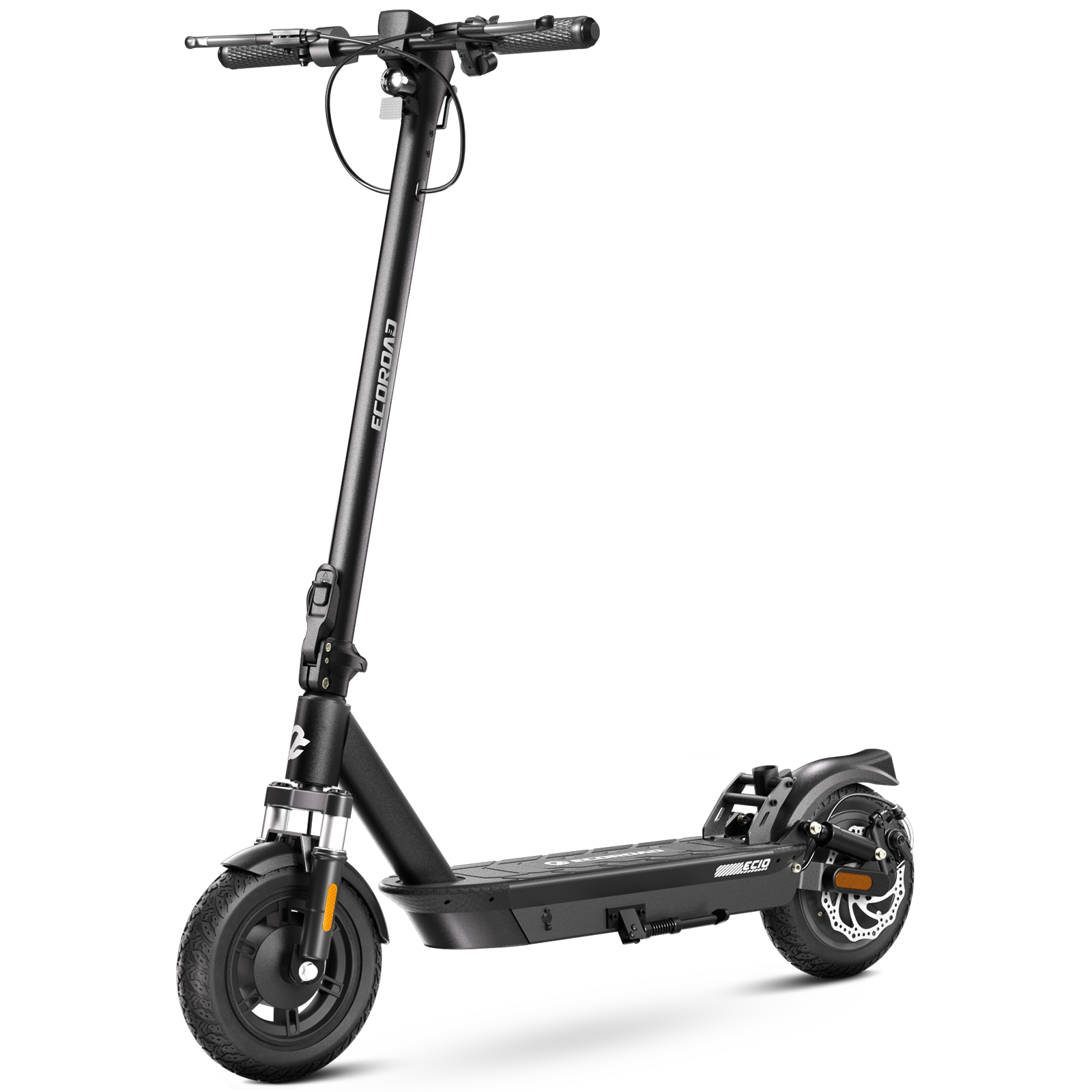
(EC10 Electric Scooter)
Common Mistakes That Shorten Battery Life
A few habits consistently shorten battery lifespan, even when riders don't realize it. Charging with a non-original or mismatched charger can affect battery health over time, so it's worth sticking to the charger that came with your scooter. Riding in extreme heat for extended periods, or storing the scooter somewhere it's exposed to direct sun for long stretches, also accelerates wear. Finally, ignoring unusual signs, a battery that charges unusually fast, or range that drops suddenly and significantly, is worth addressing early rather than continuing to ride as normal. Our guide on common beginner mistakes that make riding harder than it should be touches on a few related habits worth avoiding as a new rider.
Small Habits, Real Results
Improving battery life doesn't require anything dramatic, it comes down to a handful of consistent habits applied over time. Riding efficiently gets you more distance per charge, while sensible charging and storage habits protect the battery's overall lifespan. Neither requires much effort once they become routine, and the payoff, both in daily range and in how long your scooter's battery performs well overall, is genuinely worth the small adjustments.
What Riders Want to Know
Does riding in ECO mode really make a noticeable difference?
Yes, lower speed modes use less power, which can meaningfully extend your range per charge compared to riding at full throttle.
Is it bad to let my scooter's battery run all the way to empty?
Yes, regularly running a lithium battery to very low charge can contribute to faster long-term degradation.
Should I store my scooter fully charged if I won't ride for a while?
No, for extended storage, keeping the battery at around 40–60% charge generally helps preserve its capacity better.
Does cold weather permanently damage the battery?
Not usually, cold temporarily reduces usable charge, but it's extreme heat and poor charging habits that cause more lasting damage.
Can using a different charger affect battery life?
Yes, it's best to use the charger that came with your scooter, since mismatched chargers can affect battery health over time.