


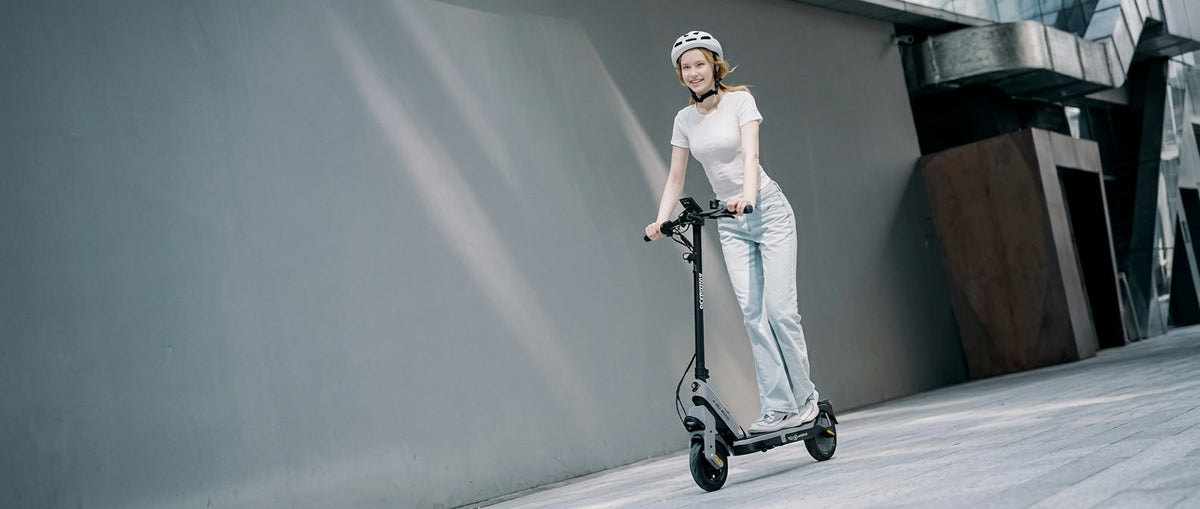
Understanding California's Electric Scooter Speed Limit
California has specific rules for electric scooters, including a statewide maximum operating speed of 15 mph for motorized scooters on public roads and bikeways. This limit applies even when the road or bike lane has a higher posted speed limit.
However, speed is only one part of the law. Riders also need to understand which roads and paths they can use, whether they need a driver's license or permit, and when helmets are required. Local cities and counties may have additional restrictions, so it is important to check the rules for the area where you plan to ride.
If you are considering an ECOROAD electric scooter for commuting or short trips, understanding these requirements can help you choose an appropriate model and plan your rides more responsibly.
For the official statewide guidance, visit the California Highway Patrol's information on motorcycles and similar vehicles.
What Is the Maximum Legal Speed for an Electric Scooter in California?
Under California law, a motorized scooter must not be operated at more than 15 mph on a public road or bikeway.
This rule is important because some electric scooters available for purchase can reach speeds of 20 mph, 25 mph, or higher. A scooter's advertised top speed does not determine the speed at which it is legally permitted to travel on California public roads.
For example, if an electric scooter can reach 20 mph, its rider must still stay within California's 15 mph operating limit when riding on public roads and bikeways.
Riders should also slow down when approaching pedestrians, intersections, sharp turns, crowded paths, or other potential hazards. Even when traveling below the legal maximum, the appropriate speed depends on the conditions around you.
Does the Road's Speed Limit Affect Where I Can Ride?
Yes. California has separate rules governing the roads where motorized scooters may operate.
Generally, scooters cannot be ridden on roads with a posted speed limit above 25 mph unless the scooter is being operated in a permitted Class II bicycle lane or Class IV separated bikeway. A local authority may also authorize scooter use outside these bikeways on roads with speed limits up to 35 mph.
These road-access rules do not increase the scooter's statewide 15 mph maximum operating speed.
Before choosing a commuting route, check the posted signs, designated bicycle lanes, and local ordinances. A road that looks convenient may not be a legal or safe option for an electric scooter.
You can review the relevant provisions in California Vehicle Code Section 21235.
Where Can You Legally Ride an Electric Scooter in California?
Knowing where you can ride is just as important as knowing how fast you can go.
Bicycle Lanes and Bikeways
California permits motorized scooters on certain bicycle lanes, paths, trails, and bikeways unless their use is prohibited by the relevant local authority.
When riding on a roadway, scooters generally must use an available Class II bicycle lane, subject to the applicable roadway rules. Riders should travel in the correct direction, obey traffic signals, and yield where required.
Always pay attention to signs at the entrance to a trail or path. Some areas restrict motorized scooters even when bicycles are allowed.
Public Roads
Electric scooters may be used on certain public roads, but restrictions apply.
In general, riders must not use a road with a posted speed limit above 25 mph unless an applicable exception allows it. This may include riding within a permitted Class II bicycle lane or Class IV separated bikeway, or using a road where the local authority has specifically authorized scooter operation.
Do not assume that every road with a bicycle symbol is automatically suitable for electric scooters. Check the road classification, posted speed limit, and local rules before setting off.
Sidewalks
California generally prohibits operating a motorized scooter on a sidewalk, except when necessary to enter or leave adjacent property.
This is an important distinction for riders who might otherwise use sidewalks to avoid traffic. Sidewalks are primarily intended for pedestrians, and riding an electric scooter there can create hazards for people walking.
If you need to reach a destination from the street, dismount and walk your scooter where necessary, following local rules and giving pedestrians plenty of space.
Parks, Trails, and Private Property
Rules for parks, recreational trails, and other public spaces can vary. A trail that permits bicycles may still prohibit electric scooters, so check signs and the rules set by the agency responsible for the area.
On private property, follow the property owner's permission and any applicable local requirements. Do not assume that private land automatically makes every scooter or riding activity lawful.
California Electric Scooter Laws: What Else Should Riders Know?
Speed and location are only part of California's requirements. Several other rules affect everyday riders.
Driver's License or Instruction Permit
California requires a valid driver's license or instruction permit to operate a motorized scooter. Motorized scooters do not generally require vehicle registration under the state's standard rules for this category.
Because a driver's license or permit is required, riders should confirm that they meet the applicable licensing requirements before using a scooter on public roads.
Helmet Requirements
Under California's motorized scooter law, riders under 18 must wear a properly fitted and fastened bicycle helmet that meets the applicable safety standards.
Even when a helmet is not legally required for an adult rider, wearing one is a sensible safety measure. Choose a helmet that fits securely and is designed for cycling or the relevant riding activity.
Passengers and Safe Handling
California prohibits carrying an additional passenger on a motorized scooter. Riders must also keep at least one hand on the handlebars and must not carry an item that prevents them from doing so.
Before each trip, check that the brakes, tires, handlebars, and lights are working properly. Avoid using a phone while riding, and never operate a scooter under the influence of alcohol or drugs.
For more information, consult the California Highway Patrol's scooter guidance.
How Do California's Rules Affect ECOROAD Electric Scooter Owners?
If you are considering an ECOROAD electric scooter, compare its specifications with California's operating rules before planning to ride it on public roads.
For example, the ECOROAD FLUX has a listed US maximum speed of 20 mph. That specification describes the scooter's capability; it does not mean riders may travel at 20 mph on California public roads. The statewide 15 mph limit for motorized scooters still applies.
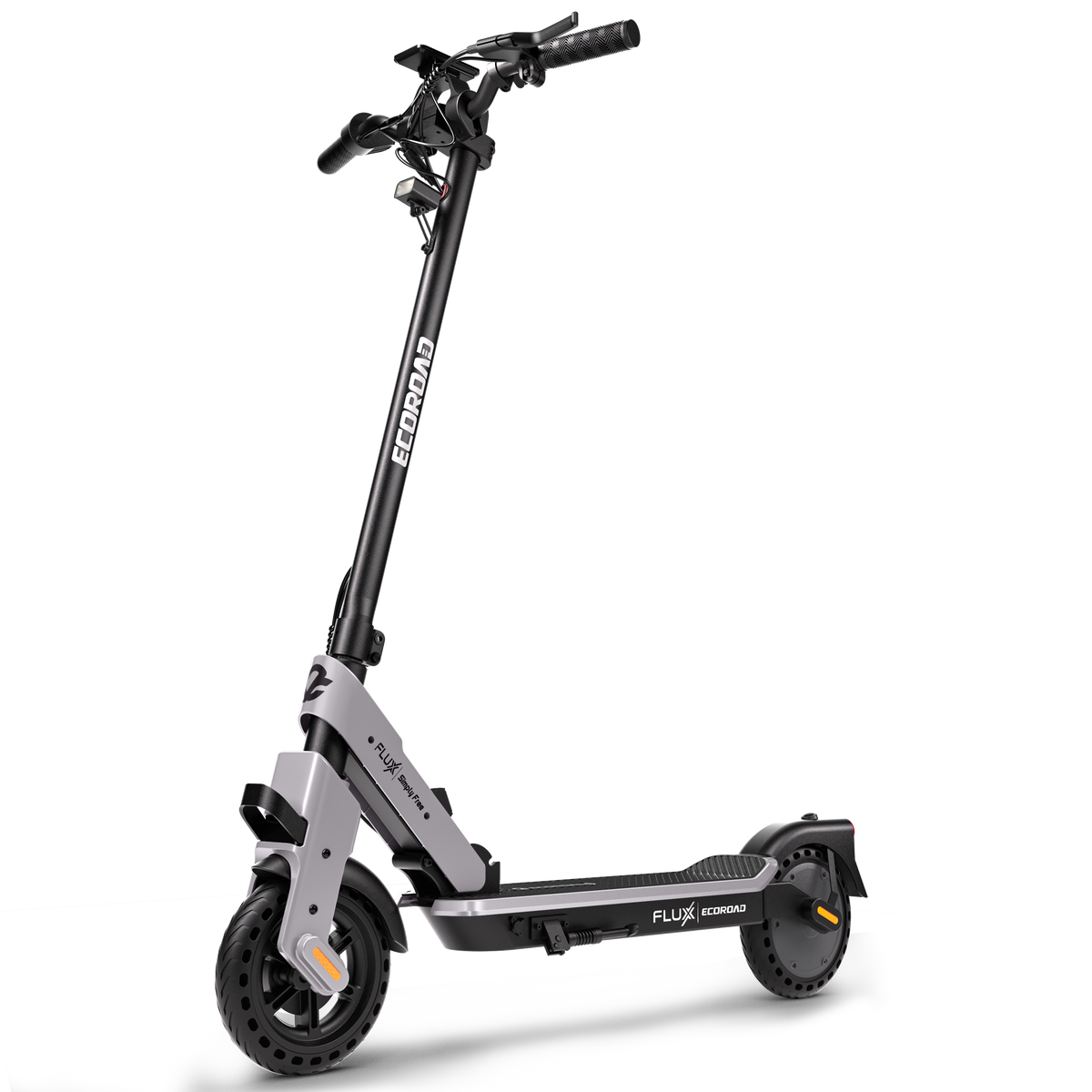
(FLUX Electric Scooter)
Other ECOROAD models may have higher advertised top speeds, larger motors, or features designed for off-road riding. These specifications do not automatically make a scooter legal for every public road, bike lane, or trail.
Before buying or riding a model, consider the following:
-
Maximum speed: Understand the difference between the scooter's advertised capability and the legal operating limit.
-
Intended riding area: Check whether you plan to ride on public roads, designated bikeways, private property, or permitted off-road routes.
-
Braking and visibility: Make sure the scooter is properly maintained and its lights and brakes work as intended.
-
Local restrictions: Check the city or county rules for your regular route and destination.
-
Rider requirements: Confirm that you meet the applicable licensing and helmet requirements.
Choosing a scooter that suits your intended use can help you avoid relying on its maximum advertised speed when local laws require a lower speed.
Tips for Riding an Electric Scooter Safely in California
Following the law is essential, but safe riding also depends on preparation and awareness.
1. Plan your route before leaving. Choose permitted bike lanes and roads, and check whether your intended path allows motorized scooters.
2. Keep your speed under control. Never exceed the legal limit, and slow down further when visibility is poor, pedestrians are nearby, or the surface is uneven.
3. Wear a properly fitted helmet. A helmet is required for riders under 18 under California's scooter law and is a sensible precaution for adults, too.
4. Check your scooter before every ride. Inspect the brakes, tires, handlebars, battery, and lights. Do not ride if an important component is damaged.
5. Make yourself visible. Use working lights when needed and consider reflective clothing or accessories, especially when visibility is reduced.
6. Respect pedestrians. Do not ride on sidewalks where prohibited, and slow down or stop when approaching crowded areas.
7. Secure your scooter when parked. Use a suitable physical lock and choose a secure location. Smart tracking or locking features can be useful, but they do not guarantee theft prevention.
For additional beginner advice, read E-Scooter Beginner Mistakes That Make Riding Harder Than It Should Be.
Common Mistakes to Avoid
Some electric scooter mistakes happen because riders confuse the scooter's capabilities with the rules that apply to public riding.
-
Assuming the advertised top speed is legal everywhere. California's 15 mph maximum still applies to motorized scooters on public roads and bikeways.
-
Riding on a sidewalk to avoid traffic. Sidewalk operation is generally prohibited, apart from the limited exception for entering or leaving adjacent property.
-
Assuming all bike paths allow scooters. Local authorities may restrict motorized scooter use on certain paths and trails.
-
Ignoring local regulations. City and county rules can affect where scooters may be used.
-
Skipping safety checks. Faulty brakes, damaged tires, or nonworking lights can increase the risk of a crash.
-
Thinking a more powerful scooter is automatically road legal. Motor power and advertised speed do not override California's operating restrictions.
Taking a few minutes to review your route and inspect your scooter can help you make more informed decisions before riding.
A Simple Pre-Ride Checklist
Before riding your electric scooter in California, make sure you have checked the following:
-
Confirm that your driver's license or instruction permit is valid.
-
Check the local rules for your route and destination.
-
Make sure your scooter's brakes, tires, handlebars, and lights are working.
-
Wear a properly fitted helmet, especially if you are under 18.
-
Keep your speed at or below 15 mph on public roads and bikeways.
-
Avoid sidewalks unless you are using the limited exception for entering or leaving adjacent property.
-
Carry only what you can manage without losing proper control of the handlebars.
-
Park securely without blocking pedestrian access.
Final Thoughts: Know the Rules Before You Ride
California's electric scooter rules are easier to follow when you remember the basics: the statewide maximum operating speed is 15 mph, sidewalks are generally off-limits, and road access depends on posted speed limits, bikeway availability, and local authorization.
Riders must also meet the applicable licensing requirements, follow helmet rules, and check for local restrictions on paths and trails.
For ECOROAD customers, the most important step is to match the scooter's specifications with the rules and conditions where they intend to ride. A scooter's advertised top speed is not the same as its permitted speed on public roads.
By planning a suitable route, maintaining your scooter, and riding responsibly, you can make more informed choices about electric scooter use in California.
Frequently Asked Questions
1. What is the legal speed limit for electric scooters in California?
The statewide maximum operating speed for a motorized scooter on public roads and bikeways is 15 mph. Riders must also obey applicable road-access restrictions and any additional local rules.
2. Can I ride an electric scooter on the sidewalk in California?
Generally, no. California prohibits operating a motorized scooter on a sidewalk, except when necessary to enter or leave adjacent property. Local rules may impose additional restrictions.
3. Can I ride an electric scooter on a road with a 35 mph speed limit?
Generally, motorized scooters cannot operate on roads with speed limits above 25 mph unless an applicable exception allows it. This can include operation within a permitted Class II bicycle lane or Class IV separated bikeway, or on certain roads specifically authorized by local authorities. The scooter's maximum operating speed remains 15 mph.
4. Do I need a driver's license to ride an electric scooter in California?
Yes. California requires a valid driver's license or instruction permit to operate a motorized scooter. Check the official state guidance if you are unsure whether your license or permit qualifies.
5. Do adults need to wear helmets on electric scooters in California?
California's motorized scooter helmet requirement applies to riders under 18. Adults should still wear a properly fitted helmet as a safety precaution.
6. Can I ride an ECOROAD scooter that has a top speed of 20 mph in California?
A scooter's advertised maximum speed does not override California's 15 mph operating limit for motorized scooters on public roads and bikeways. Before riding any ECOROAD model, check its specifications and confirm that your intended riding area permits its use.
7. Do California cities have their own electric scooter rules?
Yes. Local authorities can impose additional restrictions, including limits on where scooters may be used. Check the rules for your city, county, park, or trail before riding.