



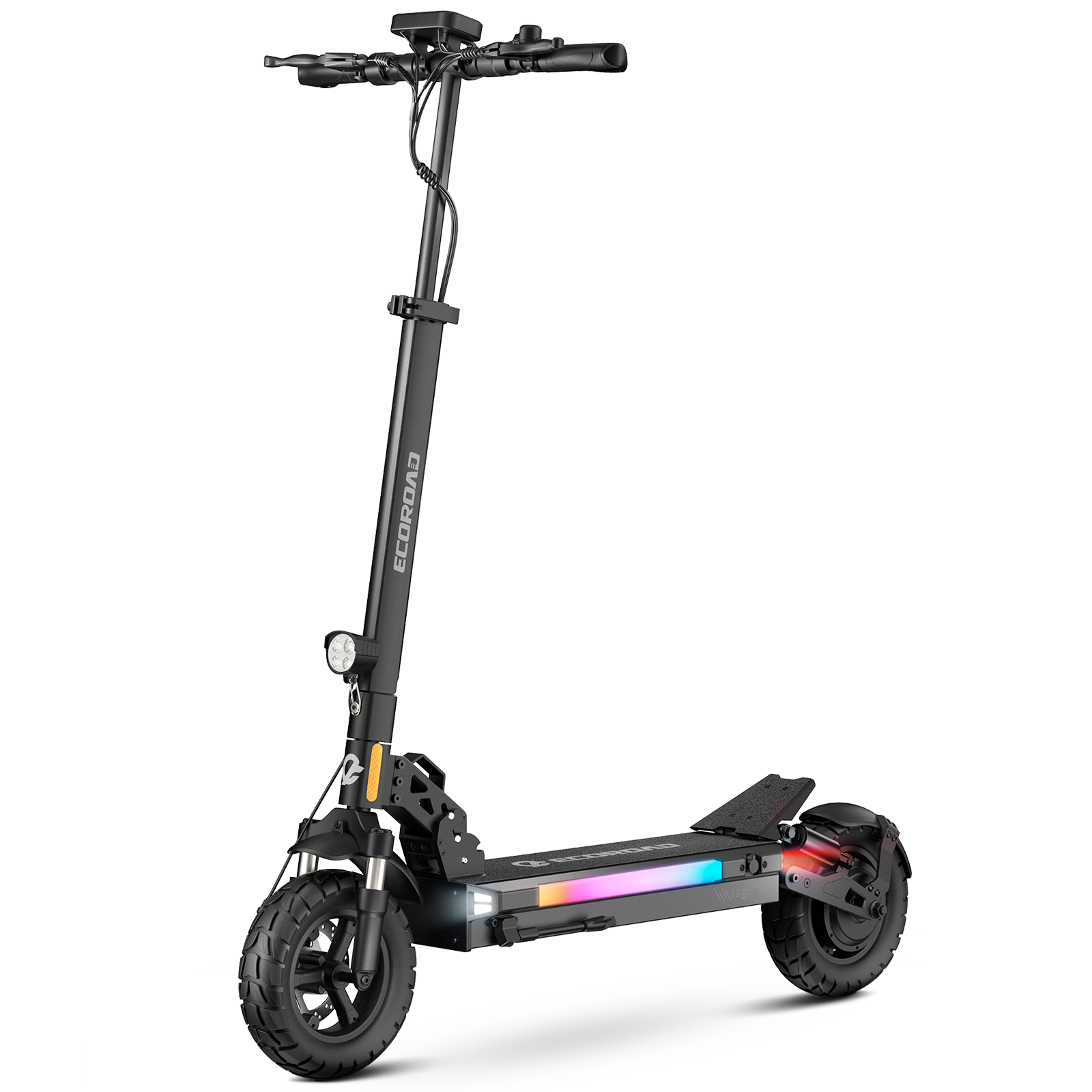
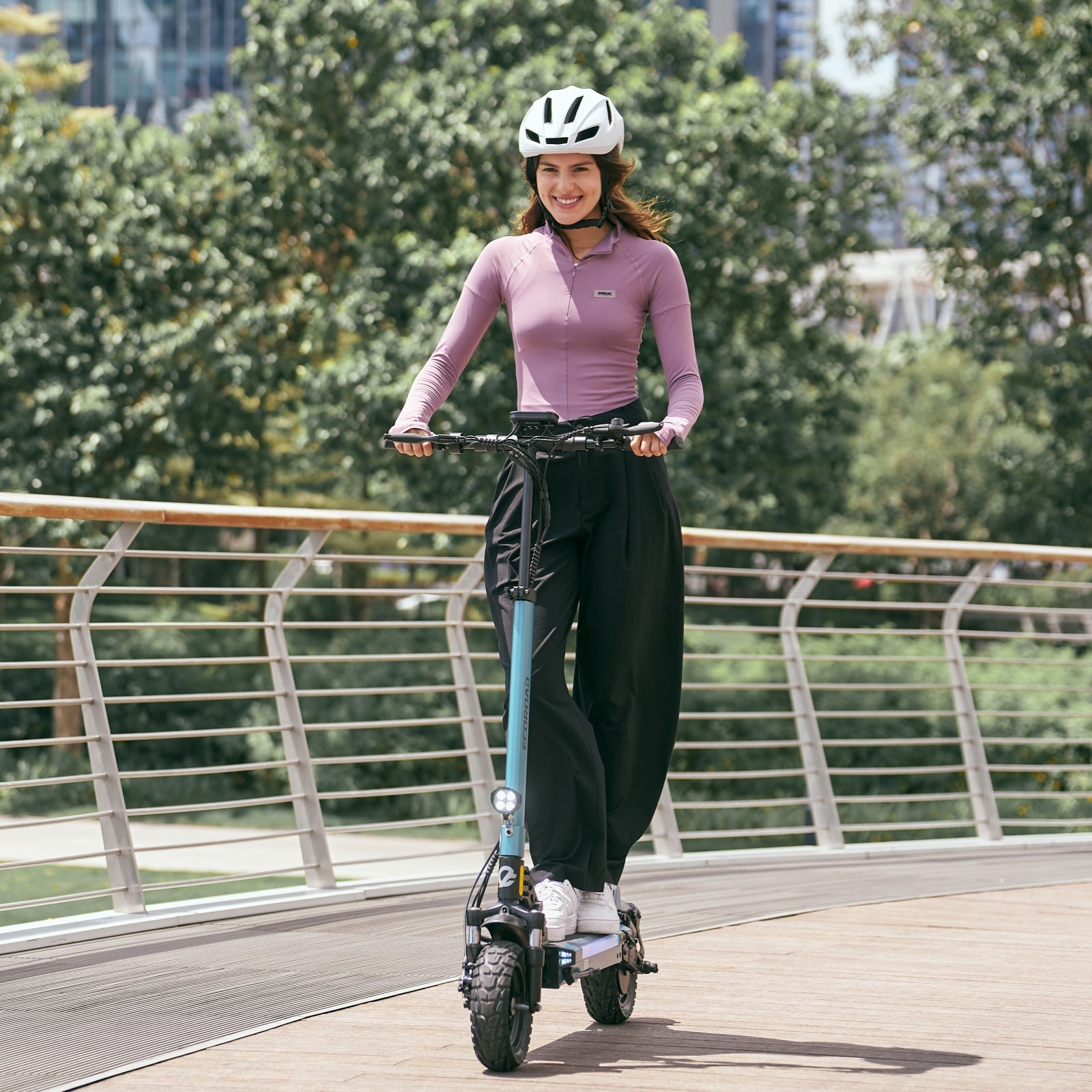
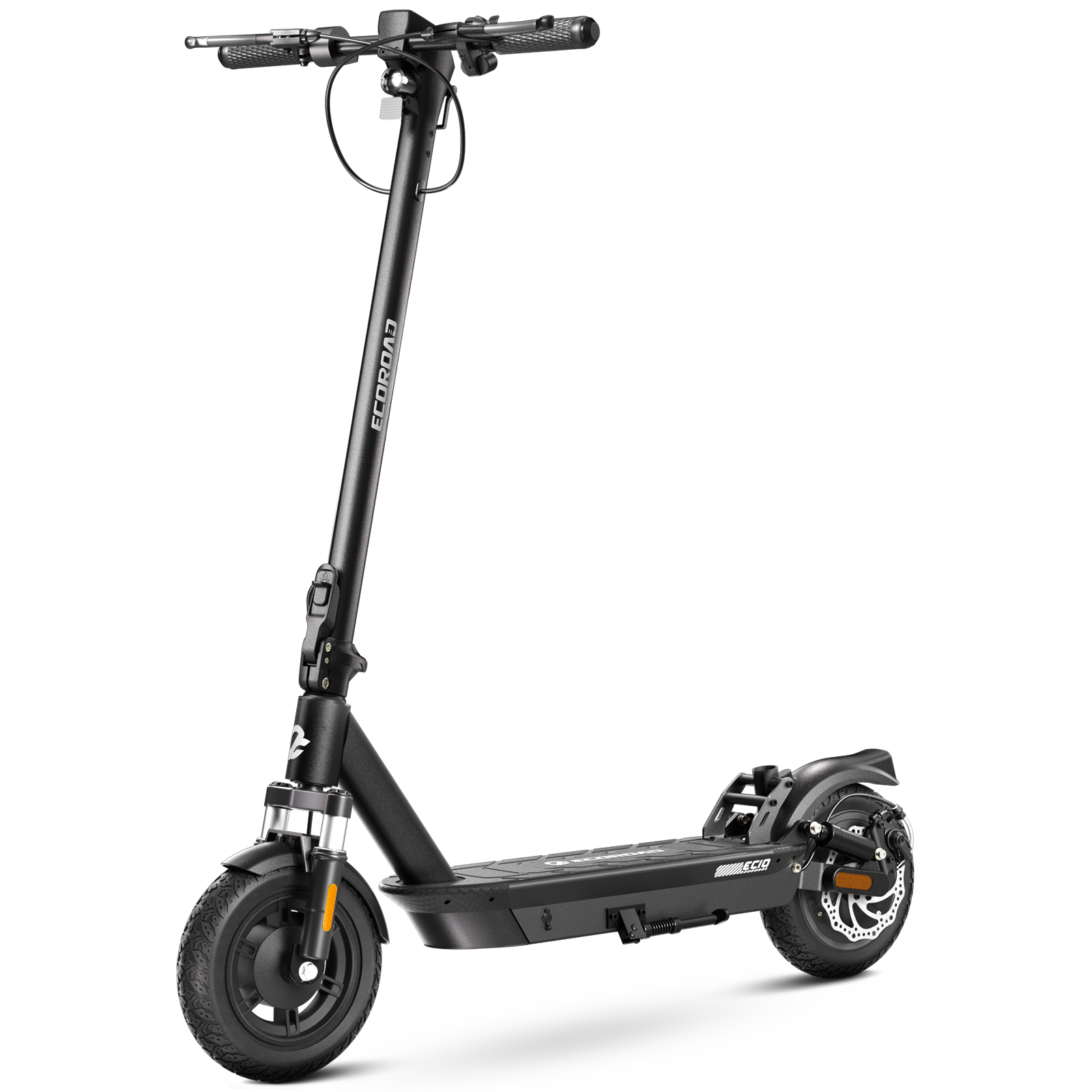
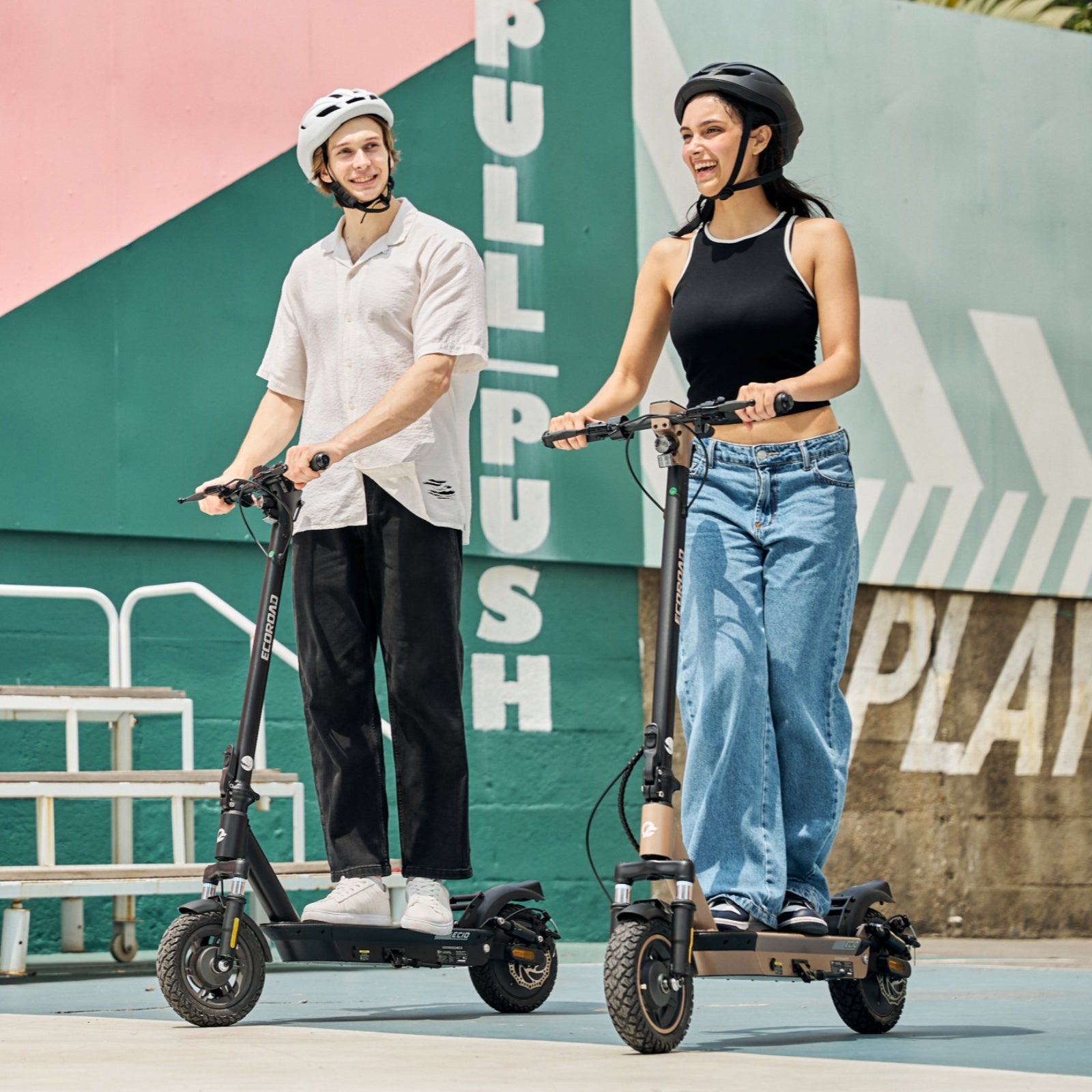
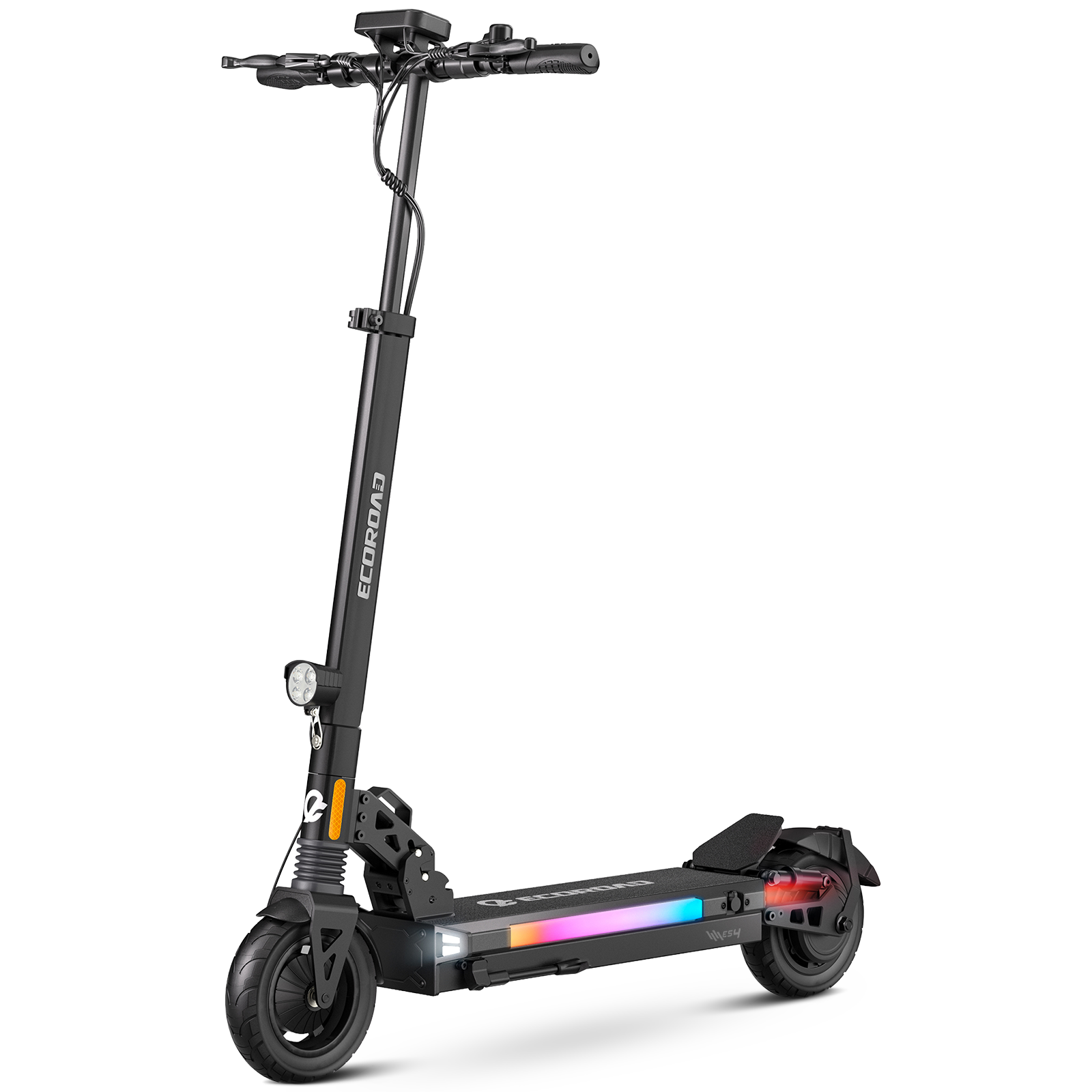
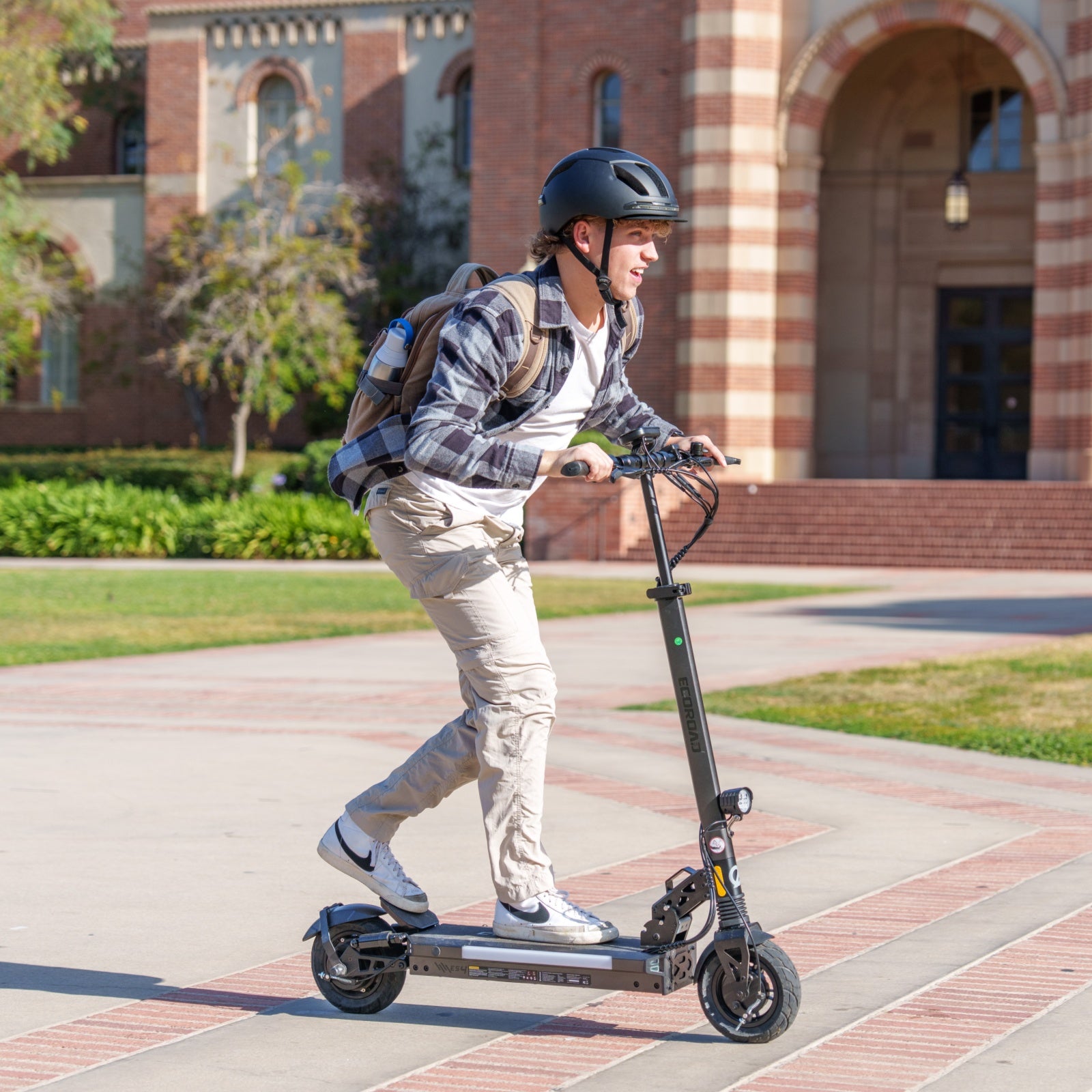
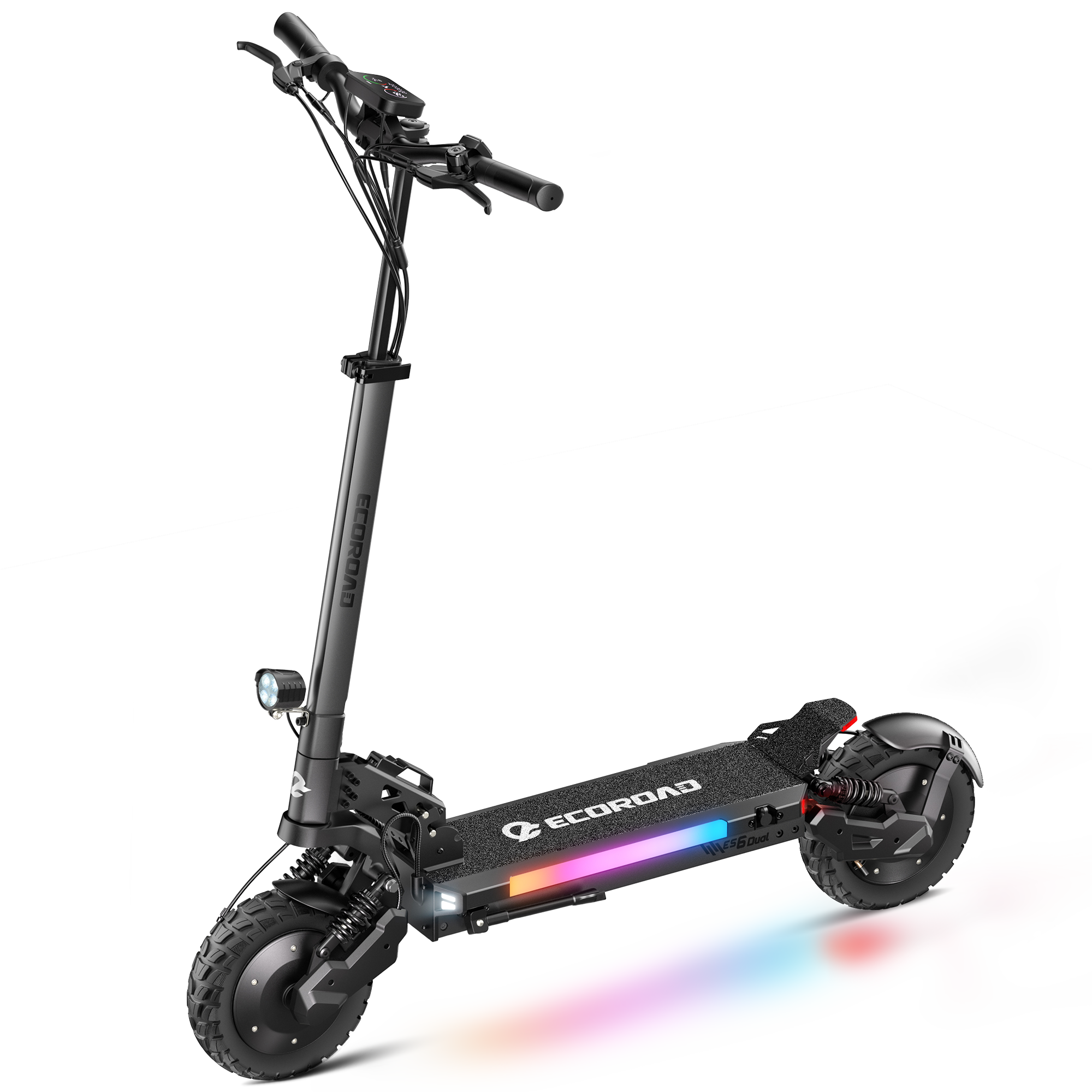
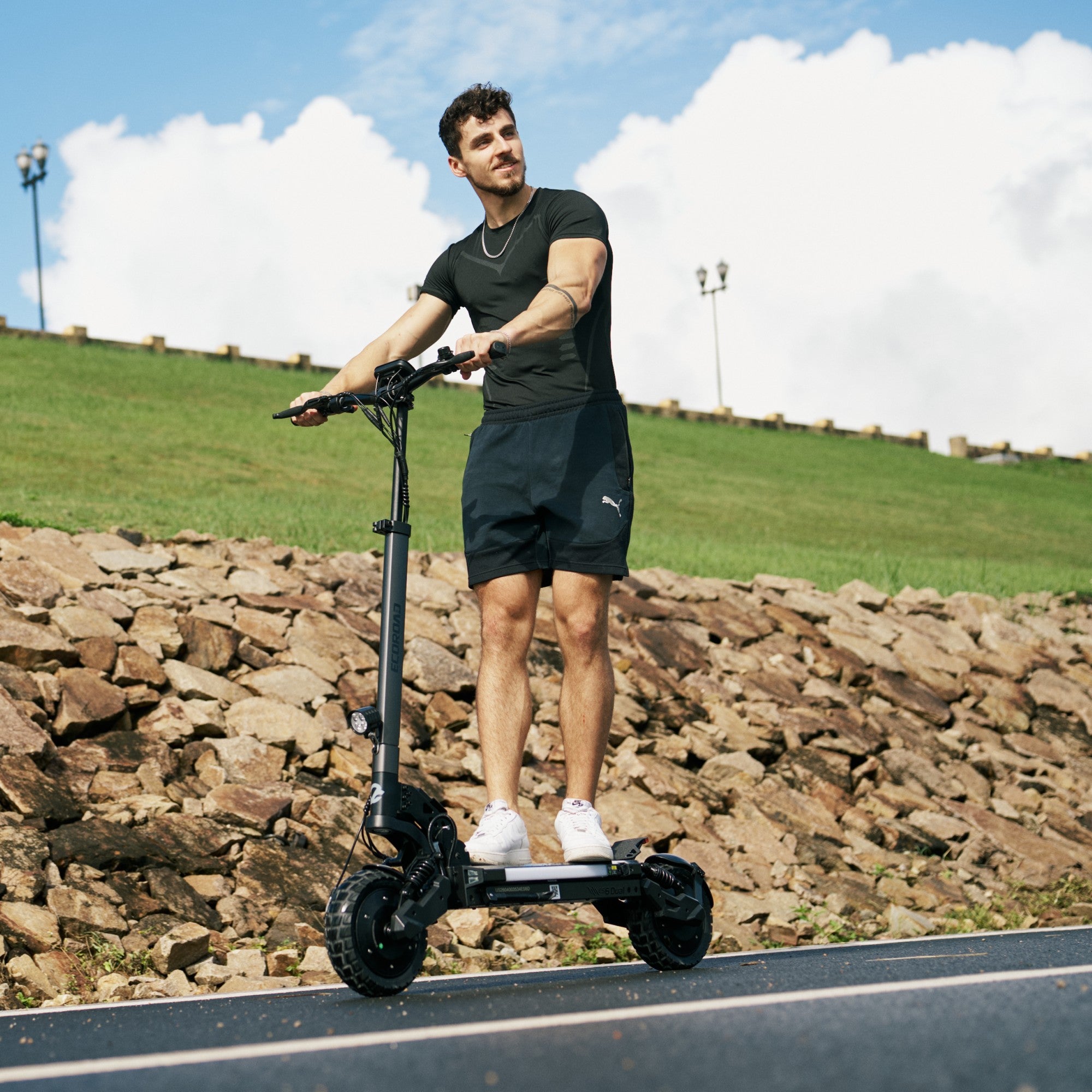
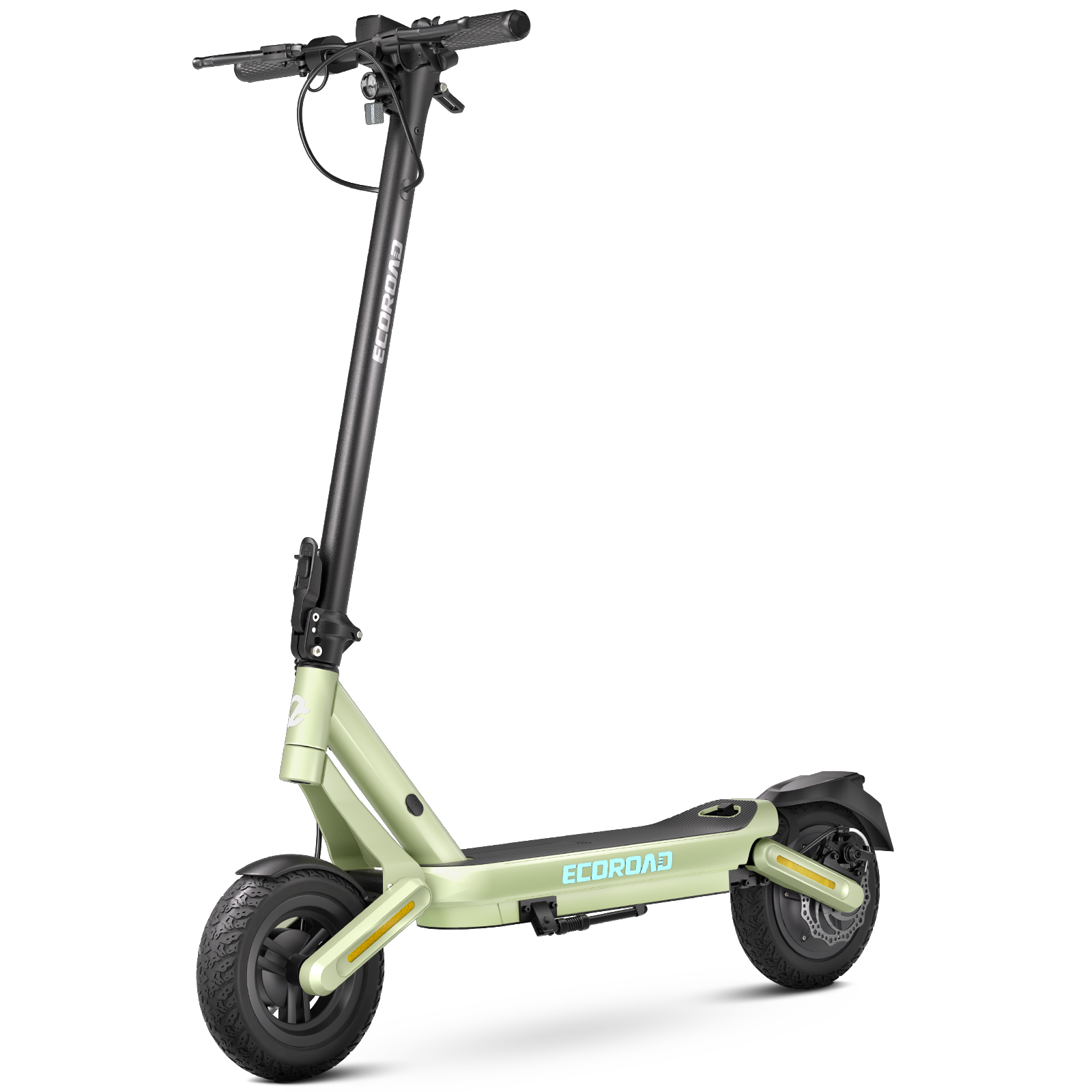
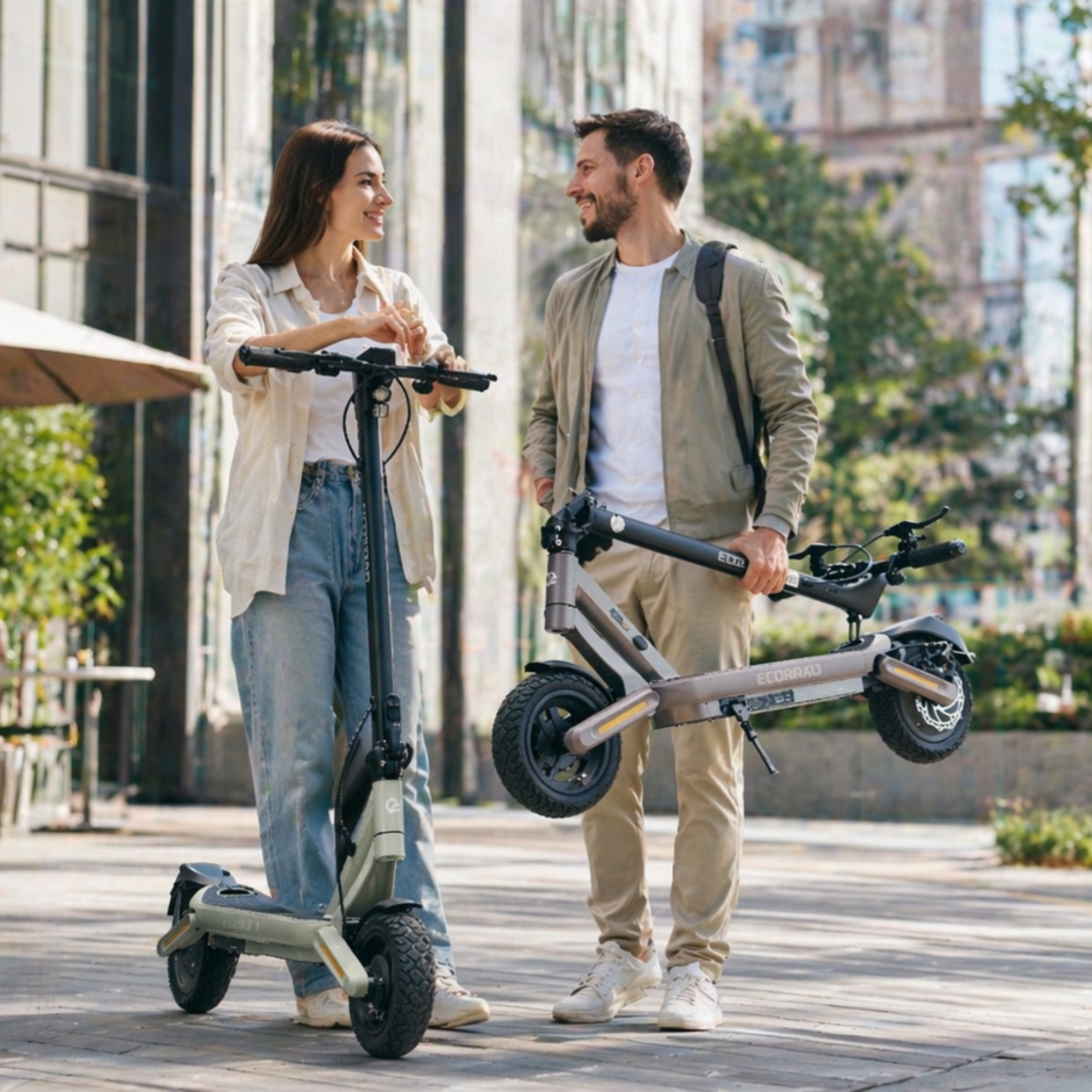
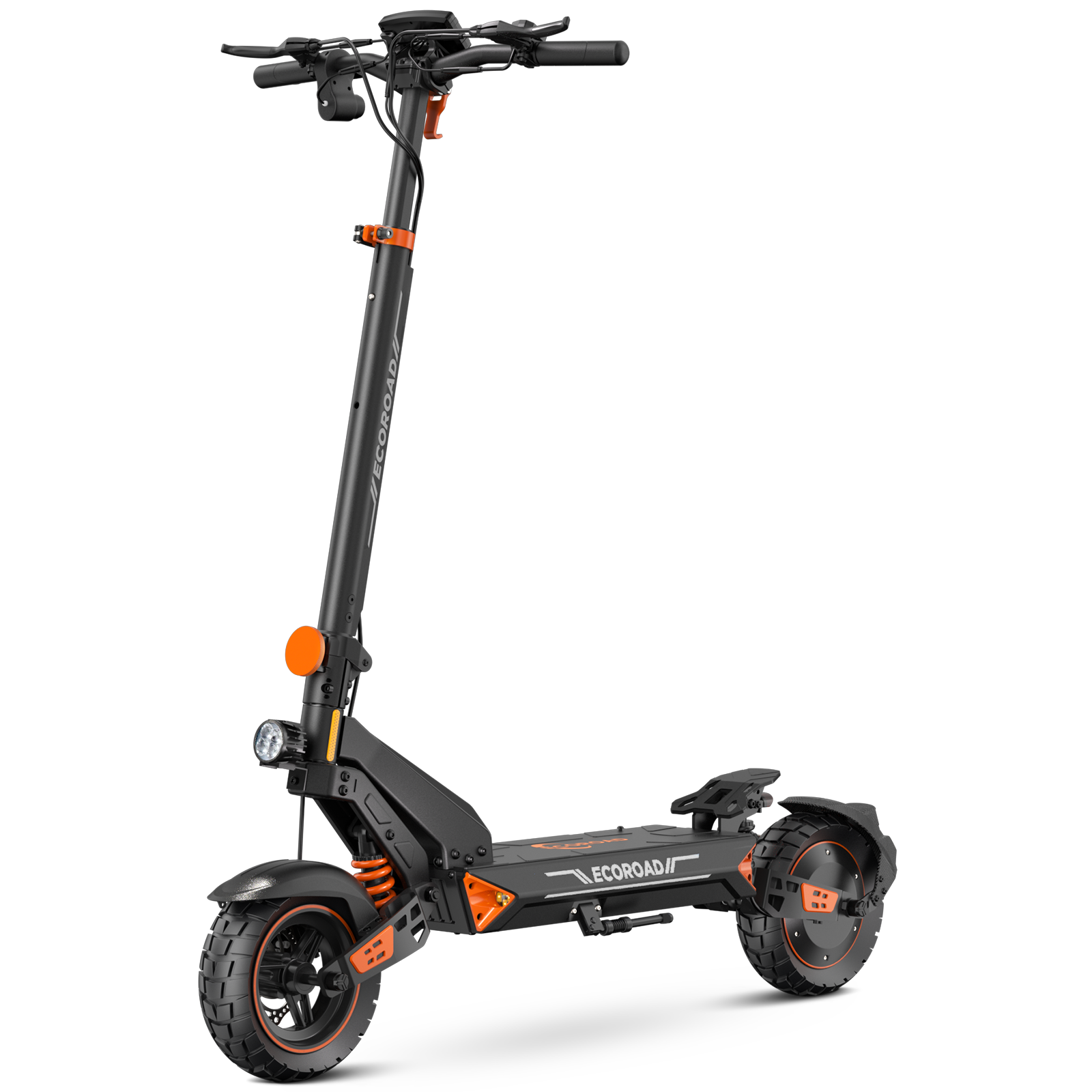
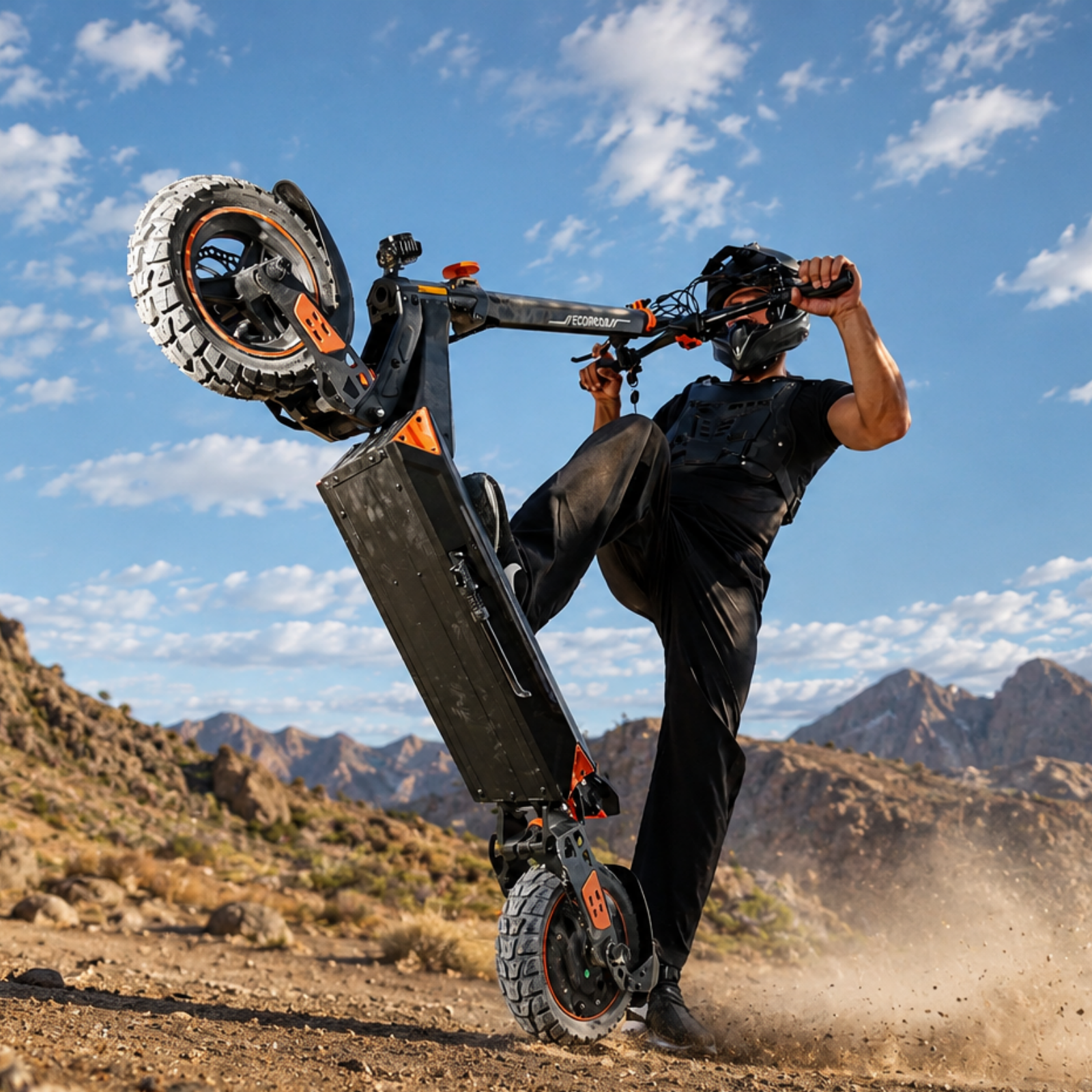
Rain or shine, your ride can keep moving. Wet roads and unexpected showers are part of everyday travel, so choosing an electric scooter with water-resistant protection can make a difference. ECOROAD waterproof electric scooters feature IP-rated water resistance to help protect key components from water exposure.
Which IP Rating Do You Need?
|
Your Daily Riding Conditions |
Recommended Model |
Water Resistance Rating |
Why Choose It |
|
Occasional light rain, mostly dry roads, and mainly fair-weather commuting |
ES4 / ET8 / EC10 /ET6 |
IPX4 |
Practical water resistance for everyday riding |
|
Frequent rain, wet roads, and heavier road spray |
ES6 |
IPX4 body + IPX5 battery |
Higher tested water protection for the battery |
|
Frequent wet conditions and changing weather |
ES6 Dual |
IPX5 body + IPX6 battery |
Higher tested water protection across key components |
Important Note: A higher IP rating does not mean an electric scooter is fully waterproof or submersible. IP protection is based on standardized tests for specific types of water exposure. Avoid flooding, deep puddles, standing water, and prolonged exposure to rain.
IPX4 vs. IPX5 vs. IPX6
Not all waterproof electric scooters provide the same level of water resistance. An IP rating gives you a standardized way to understand how an enclosure has been tested against water exposure.
- IPX4: Protection against splashing water from different directions.
- IPX5: Protection against water jets from different directions.
- IPX6: Protection against more powerful water jets.
A higher IP rating indicates a higher level of tested water protection, but it does not mean that an electric scooter is completely waterproof. Even a highly water-resistant scooter should not be submerged or ridden through flooding, deep puddles, or standing water.
Choose for Your Local Climate
The best waterproof electric scooter for you depends partly on the weather you ride in. If your area only sees occasional light rain, an IPX4-rated scooter can provide practical water resistance for everyday commuting and wet roads.
In regions with frequent rainfall, heavier road spray, or more unpredictable weather, a higher level of water protection may be worth considering. For riders who regularly encounter wet conditions, the ES6 Dual offers a higher level of tested water protection with an IPX5-rated body and IPX6-rated battery.
If your local climate includes snow or icy conditions, keep in mind that water resistance does not mean a scooter is designed for deep snow, ice, flooding, or standing water. Always consider actual road conditions as well as the scooter's IP rating before riding.
Better Traction on Wet Roads
Water resistance is only one part of a good wet-weather ride. Rain can make pavement slippery and reduce tire grip, while puddles and road spray can create additional challenges.
When choosing a waterproof e scooter, consider the complete riding experience, including tire traction and overall stability. When roads are wet, reduce your speed, avoid deep puddles, and leave more stopping distance to maintain better control.
Reliable Braking Matters
Wet roads can affect traction and stopping distances, making responsive braking especially important during rainy rides. A scooter with dependable brakes can help you maintain better control when traffic, road conditions, or visibility change unexpectedly.
For everyday wet-weather riding, combine your scooter's braking performance with good riding habits. Slow down when necessary, keep a safe distance from other vehicles, and take extra care when approaching turns, intersections, and slippery surfaces.
Better Visibility in the Rain
Rain and darker skies can make it harder for drivers and other road users to see you. Effective lighting becomes especially important when visibility drops during wet or changing weather.
If you regularly commute in rainy conditions, look beyond water resistance when choosing your scooter. An all weather scooter should be considered as a combination of water protection, reliable braking, good traction, and effective visibility features for the conditions you actually ride in.
Frequently Asked Questions
Which ECOROAD scooters can I ride in the rain?
ECOROAD offers several scooters with IP-rated water resistance for wet conditions. For riders who regularly encounter wet conditions, the ES6 Dual offers a higher level of tested water protection with its IPX5-rated body and IPX6-rated battery. Avoid flooding, deep puddles, standing water, and prolonged exposure to rain.
Can I leave my electric scooter outside in the rain?
It's not recommended. IP-rated water resistance helps protect against water exposure during use, but it does not mean a scooter should be left outside in the rain for extended periods. After riding in wet conditions, wipe the scooter dry and store it in a covered, dry location to help protect electrical components and maintain long-term performance.
Are e scooters waterproof?
Most e scooters are water-resistant rather than completely waterproof. ECOROAD scooters use IP-rated protection to help protect key components from water exposure under specified conditions. Water resistance does not mean a scooter can be submerged or safely ridden through flooding and deep standing water.
Do electric scooters work in the rain?
Yes, appropriately rated electric scooters can work in light rain and wet conditions. Riders should reduce their speed, allow more stopping distance, avoid deep puddles, and follow the manufacturer's recommendations for wet-weather riding. Always consider local road and weather conditions before riding.
Is IPX5 better than IPX4?
Yes. IPX5 is tested against water jets, while IPX4 is tested against splashing water. If your riding conditions involve more water exposure, IPX5 provides a higher level of tested water protection than IPX4.


