


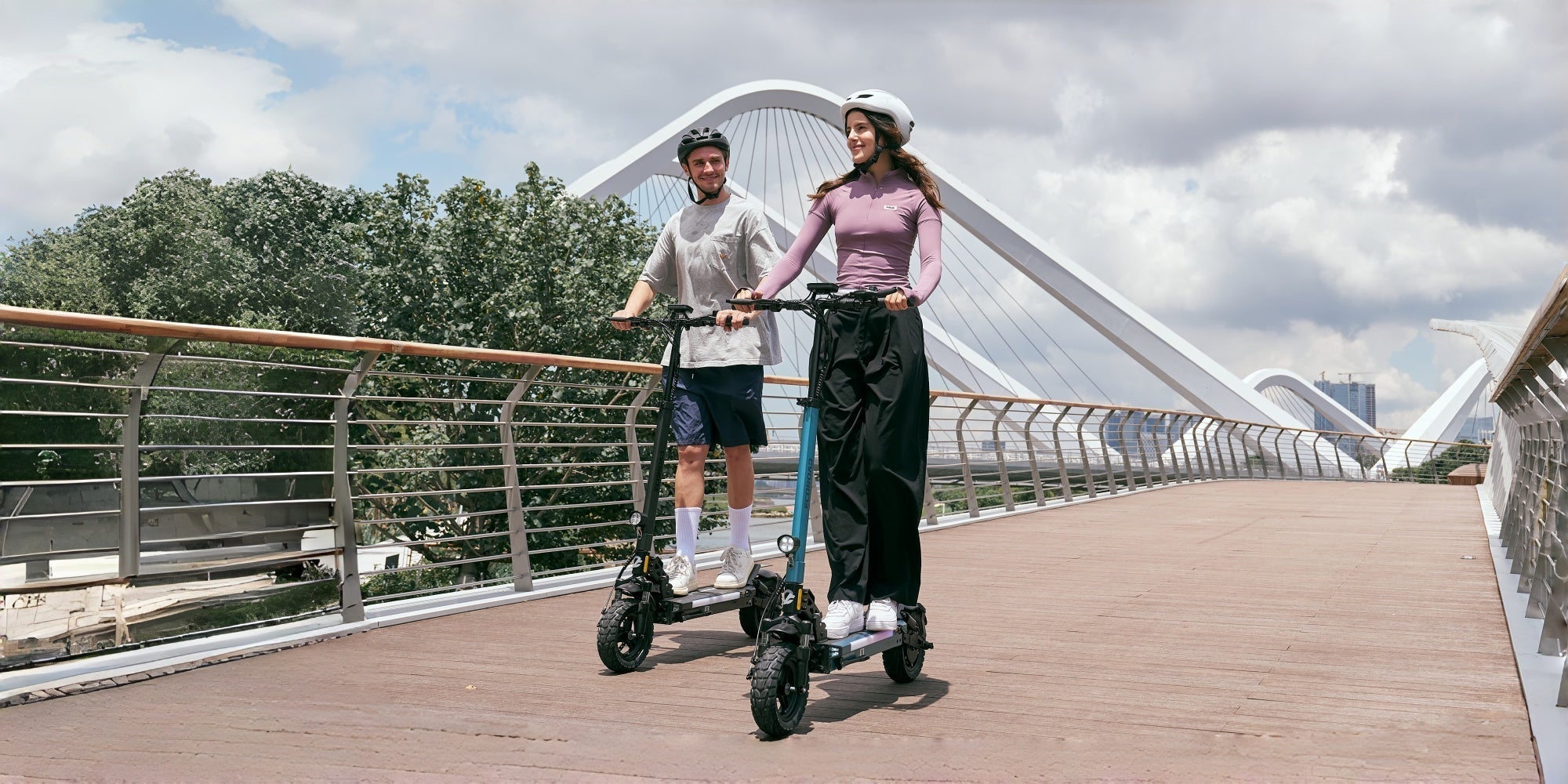
Learn the best ways to commute with an electric scooter in a big city, with safer routes, battery tips, parking advice, and smoother daily rides.
Smarter City Commuting Starts with the Right Plan
Commuting with an electric scooter in a big city works best when you treat it like a real transportation plan, not just a casual ride. That means choosing safer streets, checking your battery before you leave, riding defensively, and knowing where you can legally park or store your scooter.
For many riders, an e-scooter solves the most annoying parts of city travel: traffic jams, expensive parking, packed buses, and long walks between stations. Models like the ECOROAD EC10 Electric Scooter are built around that daily-use idea, with commuter-friendly range, lights, braking, and foldability.
Start With the Safest Route, Not the Shortest One
The fastest-looking route on a map is often the worst route on a scooter. A six-lane road with fast traffic, delivery trucks, rough pavement, and constant lane changes can turn a 15-minute ride into a stressful one.
Look for routes with:
- Bike lanes or protected lanes: These give you more space and fewer conflicts with cars.
- Lower speed limits: Streets around 25-30 mph usually feel more manageable than fast arterials.
- Smooth pavement: Potholes, steel plates, and broken asphalt matter much more on small wheels.
- Fewer blind intersections: Every crossing adds risk, especially during rush hour.
- Good lighting: If you ride early or late, visibility is part of safety.
If you are in New York, ECOROAD’s guide to riding e-scooters legally in NYC is worth reading before you settle into a daily route.
Match Your Scooter to Your Real Commute

Most city commutes are short-to-medium trips, often around 3 to 15 miles round trip. Still, real-world range depends on rider weight, hills, stop-and-go traffic, tire pressure, wind, and speed.
A good rule: arrive home with at least 20% battery left. That extra buffer covers detours, cold weather, or the one day you forget to charge fully.
For longer rides or hillier neighborhoods, riders may prefer the ECOROAD ES6 Electric Scooter, which offers more power and a longer listed range.
Ride Like Traffic Has Not Seen You
Defensive riding is what keeps city scooter commuting realistic. Drivers may not notice you, pedestrians may step into the lane, and parked cars can become hazards without warning.
Key habits:
- Keep distance from car doors: Do not ride tight against parked vehicles.
- Slow before intersections: Most surprises happen where paths cross.
- Avoid lingering beside buses and trucks: Large vehicles have bigger blind spots.
- Signal clearly: Use hand signals before turning or merging.
- Stay predictable: Sudden swerves make you harder to read.
Braking deserves special attention. ECOROAD’s article on why brakes are the most important feature on an electric scooter explains why stopping power matters more than top speed in actual traffic.
Dress for the Ride You Actually Have
A helmet should be standard for daily commuting. Add gloves if your route is longer or colder, and wear bright or reflective clothing when light is low.
For daily city rides, consider:
- Helmet
- Gloves
- Reflective jacket or ankle bands
- Protective eyewear
- Backpack lights or clip-on LEDs
Avoid headphones that block surrounding sound. Hearing traffic, bells, and horns gives you extra reaction time.
Keep Charging Simple
Charge overnight if you commute most weekdays. Use the original charger, avoid charging in extreme heat or cold, and do not make a habit of draining the battery to zero.
If your route is close to the scooter’s maximum range, carry your charger to work. For riders comparing commuting costs, ECOROAD’s article on electric scooter vs. car savings is a useful related read from the ECOROAD blog.
Park and Store Without Creating Problems

One reason scooters work so well in cities is that they are easier to store than bikes or cars. Foldable scooters can often fit under a desk, in an apartment entryway, or beside a workstation.
When parking outside:
-
Use a strong U-lock
-
Lock the frame, not just the wheel
-
Avoid blocking sidewalks, ramps, or doorways
-
Remove lights, bags, or phone mounts
-
Choose visible, well-lit areas
If portability matters, look at foldable models in the ECOROAD electric scooter collection.
Plan for Weather
Rain changes everything. Painted lane markings, metal covers, leaves, and smooth concrete can get slippery fast. Slow down, brake earlier, and avoid sharp turns.
Cold weather can also reduce range, so leave more battery margin in winter. If you ride often in changing weather, a scooter with good tires, lighting, and braking should matter more than chasing the highest speed.
Build Your No-Stress Route
The best way to commute with an electric scooter in a big city is to build a routine that feels boring in the best possible way: same safe route, charged battery, quick pre-ride check, visible gear, and smart parking. Once that rhythm is in place, an e-scooter can replace a surprising number of car, rideshare, and transit trips.
A good commuter scooter is not just about speed. It should stop well, handle rough pavement, fold easily, and give you enough range for the ride home. Start with the route, choose the scooter around your daily distance, and ride like every intersection deserves your full attention.
What Commuters Want to Know
Are electric scooters good for daily commuting?
Yes. They work especially well for short-to-medium city trips where traffic, parking, or transit transfers waste time.
How far can an electric scooter go on one charge?
Many commuter scooters offer around 15 to 40+ miles, depending on battery size, speed, hills, rider weight, and weather.
Is it safe to ride in city traffic?
It can be, if you use a helmet, follow local laws, stay visible, avoid sidewalks where prohibited, and ride defensively.
Can I bring an electric scooter into the office?
Often, yes, especially if it folds. Building rules vary, so check storage and charging policies.
What matters most in a commuter scooter?
Reliable brakes, enough range, good tires, lights, portability, and comfort matter more than top speed.