


The Gap Depends on the Scooter, Not Just the Rider
Rider weight affects all three: heavier riders usually see a slightly lower top speed, a shorter range, and slower hill climbing than lighter riders on the same scooter, while lighter riders see the opposite. How big the difference is depends on the motor and battery. A strong motor with a large battery barely flinches, while a smaller setup shows the effect sooner. This article explains why weight matters, what it changes, and how to get the most from your scooter at any weight.
Why Weight Matters
A scooter’s motor has to move the scooter and the rider together. More total weight means more energy is needed to get moving, hold speed, and climb. That energy comes from the battery, so extra weight shows up as slower acceleration, reduced range, and harder hills. Remember that “weight” includes anything you carry: a backpack, a laptop, or a bag of groceries all count.
How Weight Affects Speed
Top Speed
Advertised top speed is usually measured on flat ground with a lighter test rider. Heavier riders may reach it more slowly or fall slightly short, especially on lower-power motors. Headwinds and hills widen the gap.
Acceleration
More mass means a slower pull-away. A heavier rider may find lower speed modes feel sluggish and need a higher mode to get the same response, while a lighter rider will feel snappier in the same mode.
How Weight Affects Range
A motor carrying more load draws more current, so the battery drains faster. The advertised range comes from ideal conditions, so heavier riders should plan on a lower figure. The EC10 Electric Scooter is rated for up to 35 miles, for example, but a heavier rider on rough or hilly ground should expect noticeably less. Cold weather, higher speeds, and hills stack on top of weight. Our guide on choosing the right electric scooter for your lifestyle explains how to set realistic range expectations.

(EC10 Electric Scooter)
How Weight Affects Hill Climbing
Where You Notice It Most
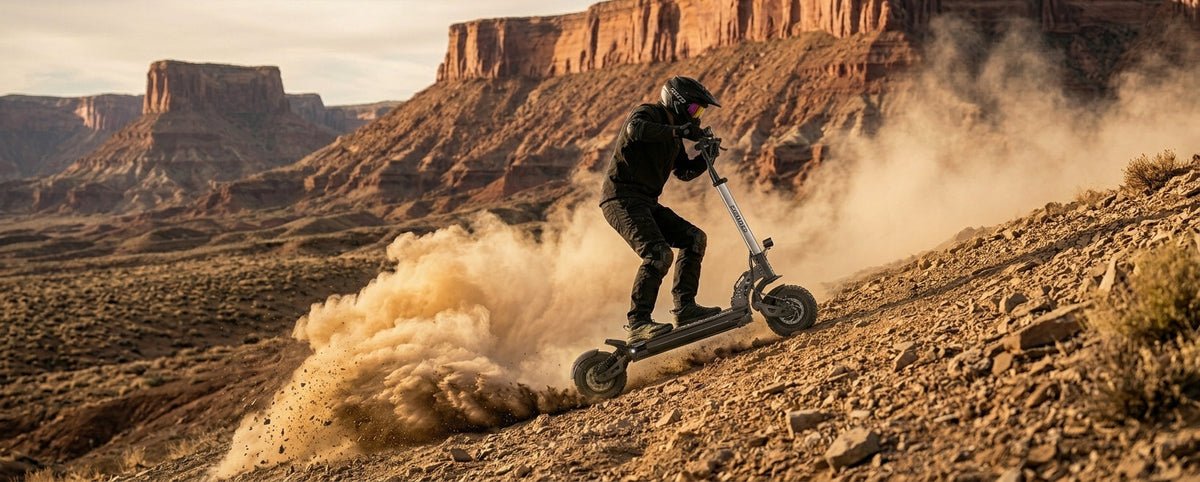
Climbing is where weight shows up most, because the motor is lifting the whole load against gravity. Heavier riders slow down more on hills, the motor works harder, and lower-power motors can struggle sooner. A scooter’s rated climbing angle usually assumes a typical rider, so treat it as a best-case figure.
What Different Motors Can Handle
- Around 750W: The EC10 handles moderate hills comfortably and suits a wide range of riders. It has a 25 mph top speed and a 264 lb weight capacity.
- Around 1000W: The ES6 Electric Scooter and ET8 Electric Scooter keep pace much better on steeper hills.
- Dual motors: The ES6 Dual Electric Scooter pairs 2000W of combined power with a top speed of 34 mph, which helps heavier riders and steep terrain.
Other Effects of Weight
Braking
More mass takes longer to stop. Heavier riders should check that brakes feel firm, leave extra stopping distance, and slow down before descents.
Tires and Suspension
Heavier loads compress tires and suspension more. Keep pneumatic tires at the recommended pressure, since low pressure raises rolling resistance and hurts range. Suspension may feel softer, which is worth knowing on rough ground.
Stability
A heavier rider can feel more stable at speed but may notice the scooter feels harder to correct if it wobbles. Lighter riders may find a powerful scooter feels twitchy at first.
Tips for Getting the Most at Any Weight
- Stay under the maximum load. Count your bag and gear too. The EC10’s capacity is 264 lbs, for example.
- Choose a little more power than you think you need. This is especially helpful if you’re heavier or ride hills.
- Match the mode to the job. Use ECO or a lower mode for range, and a higher mode for hills.
- Keep tires properly inflated. It’s one of the easiest ways to protect range.
- Plan with a buffer. Assume less range than advertised, and turn back earlier.
- Carry less. Lighten your load when you can.
- Wear a helmet. A well-fitted helmet matters at every weight.
Matching a Scooter to Your Weight
If you’re toward the heavier end of a scooter’s load rating, or you ride steep terrain, look for a stronger motor and bigger battery. If you’re lighter and ride flat, smooth ground, a smaller scooter will do the job and be easier to carry. Check the maximum load before you buy, and don’t treat it as a target to reach. Our guide on common beginner mistakes that make riding harder than it should be covers a few more habits that affect performance.
Know Your Numbers, Then Plan Around Them
Weight changes the experience, but it doesn’t make any scooter unusable. Heavier riders simply get a bit less speed, range, and climbing ability from the same hardware, while lighter riders get a bit more. Once you know how much your own weight and load matter, you can choose the right motor, plan sensible rides, and ride with realistic expectations.
What Riders Ask About Weight
Does rider weight really change top speed?
Yes, heavier riders may reach top speed more slowly or fall slightly short, especially with lower-power motors.
How much does weight reduce range?
It varies by scooter and conditions, but heavier riders should expect noticeably less than the advertised range.
Is hill climbing harder for heavier riders?
Yes, the motor lifts more weight, so hills slow heavier riders more than lighter ones.
What’s the maximum rider weight I should use?
Check your scooter’s maximum load, including anything you carry, and stay comfortably below it.
Should heavier riders choose a more powerful scooter?
Often yes, since a stronger motor and bigger battery handle extra load and hills better.