


Need a Range Boost? Here's What You Can Do About It
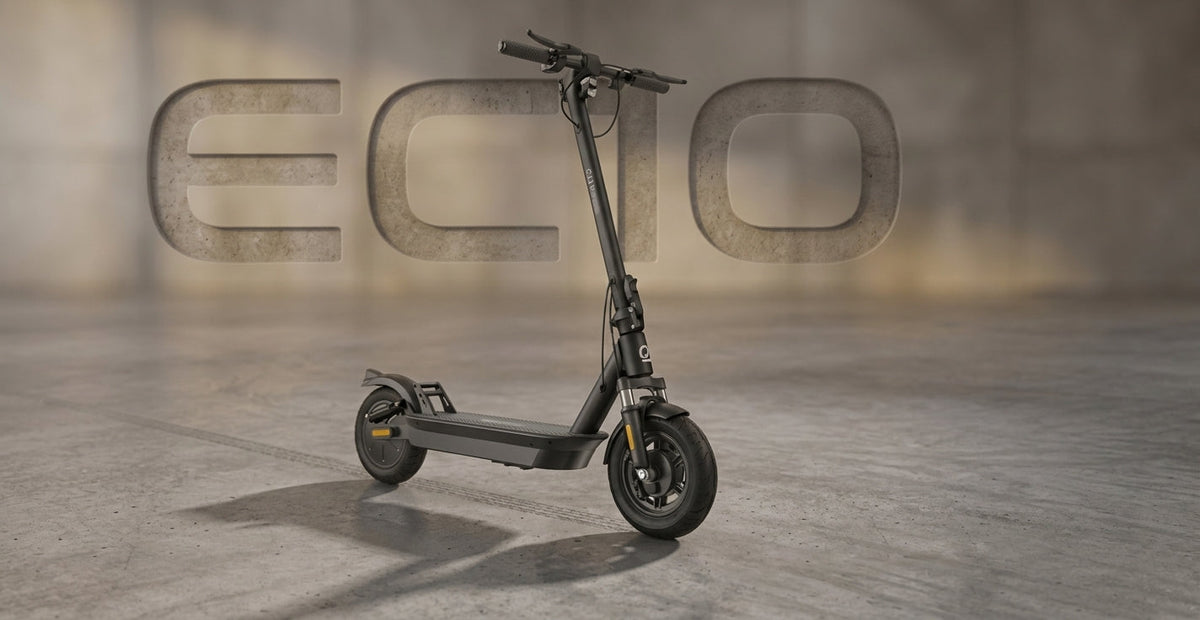
If you're not getting close to the EC10's rated range, the good news is that most of the gap comes down to things you can control. The ECOROAD EC10 is built with a 36V 15Ah (540Wh) battery and a 750W motor, rated for up to 35 miles on a full charge. Real-world EC10 range usually falls somewhere below that number, and riding habits, tire pressure, rider weight, hills, and temperature are the biggest reasons why. Below are practical, EC10-specific ways to close that gap and get more consistent mileage out of every charge.

(EC10 Electric Scooter)
How Far Can the EC10 Go on a Full Charge?
Under ideal test conditions, ECOROAD lists the EC10 electric scooter with a range of up to 35 miles on a single charge, powered by its 540Wh battery. Those numbers come from controlled testing, usually with a lighter rider, flat pavement, moderate speed, and no stops. Everyday riding rarely matches all of those conditions at once, which is why EC10 range in the real world typically comes in lower than the advertised figure. That's normal, and it's true of nearly every electric scooter, not just the EC10.
Why Your EC10 May Get Less Than Its Rated Range
A shorter-than-expected ride isn't usually a sign that something is wrong. Riding style, terrain, and even the weather all pull energy from the battery in ways the manufacturer's test doesn't fully account for. If you've noticed reduced electric scooter range on your commute, it's worth looking at what's different about your specific route and habits compared to a lab test. The sections below walk through each factor one at a time.
1. Choose the Right Riding Speed
Top speed feels good, but it's also the fastest way to drain a battery. Motors work harder at higher speeds, and that extra effort pulls more power per mile. Cruising at a moderate, steady speed instead of maxing out the throttle is one of the simplest EC10 range tips there is. You don't have to ride painfully slowly — just backing off the top 20% of your speed range can meaningfully improve e-scooter range on longer trips.
2. Avoid Unnecessary Hard Acceleration
Every hard launch from a stop asks the motor for a burst of power, and that burst costs more energy than a smooth, gradual start. If your ride involves a lot of stop signs or traffic lights, try easing into the throttle instead of snapping it open. This one habit change can add up over a full commute, especially in stop-and-go city riding.
3. Keep Your EC10 Tires Properly Inflated
Underinflated tires increase rolling resistance, which forces the motor to work harder for the same distance. Check your EC10's tire pressure regularly and keep it within the recommended range listed in the manual. This is one of the easiest maintenance habits for anyone trying to improve e-scooter range, and it takes just a couple of minutes with a standard pump or gauge.
4. Reduce Extra Weight When Possible
Rider weight and cargo both factor into how far a charge will take you. The EC10 is rated to support a solid range of rider weights, but carrying a heavy backpack, bag, or extra gear adds load the motor has to move. If you're commuting with a bag, consider what you can trim down, or store loose in a scooter bag rather than in an awkward, heavier position.
5. Plan Around Hills and Stop-and-Go Traffic
Climbing inclines and repeated stopping and starting both demand more from the battery than flat, steady cruising. If your regular route includes a steep hill or heavy traffic, EC10 range on that trip will naturally run lower than on flat, uninterrupted roads. Where possible, mapping out a flatter alternate route, even if it's slightly longer in distance, can sometimes use less battery overall than a shorter but hillier one. Our guide on planning an e-scooter errand route without stress covers this in more depth.
6. Pay Attention to Temperature and Weather
Battery performance drops in cold weather, and extreme heat isn't kind to it either. If you're riding in winter and noticing shorter trips, that's a normal, temporary effect of the cold on lithium batteries, not necessarily a fault with your EC10. Storing your scooter indoors before a ride, rather than leaving it out in freezing temperatures, can help. For a closer look at hot-weather effects, see our article on electric scooter battery care for hot weather.
7. Charge and Store the EC10 Properly
Good EC10 charging habits protect both range and long-term battery health. Use the charger that came with your scooter, avoid letting the battery sit at 0% for long periods, and try not to leave it on the charger indefinitely once it's full. If your original charger is lost or worn out, a replacement charger built for the EC10 is the safest way to keep charging consistent. Storing the scooter at room temperature, rather than a garage that swings between hot and cold, also helps the battery hold its capacity over time.
When a Drop in EC10 Range May Indicate a Problem
Some range loss is expected with age and use, but a sudden, dramatic drop is worth paying attention to. If your EC10 electric scooter used to comfortably handle your commute and now struggles to finish it, even with good riding habits, tire pressure, and mild weather, that's a sign the battery itself may be wearing down or developing a fault. At that point, a battery inspection or replacement is usually more effective than adjusting riding habits further.
Small Habits, Better Mileage
Getting more out of your EC10's battery isn't about outsmarting its design. It's about riding and charging in ways that work with the scooter instead of against it. Moderate speeds, smoother acceleration, properly inflated tires, lighter loads, smarter route choices, and good charging habits all add up to a noticeably better ride between charges. None of this will push your EC10 past its designed range, but it will help you get closer to it, ride after ride.
What E-Scooter Riders Want to Know
Why is my EC10's range lower than the advertised 35 miles?
Advertised range comes from controlled test conditions, so real-world factors like hills, stops, cold weather, and rider weight will typically bring the number down.
Does tire pressure really affect EC10 range?
Yes, underinflated tires increase rolling resistance, which makes the motor work harder and use more battery over the same distance.
Is cold weather bad for my EC10's battery?
Cold temperatures temporarily reduce battery performance and range, but this isn't permanent damage, and range typically returns to normal in warmer conditions.
How often should I charge my EC10?
Charge after most rides rather than letting the battery run all the way to empty, and use the original or a compatible replacement charger built for the EC10.
When should I consider a new battery instead of adjusting my riding habits?
If range drops sharply and stays low even with good habits and mild weather, it's a sign the battery may be aging or faulting, and a replacement is likely the better fix.